
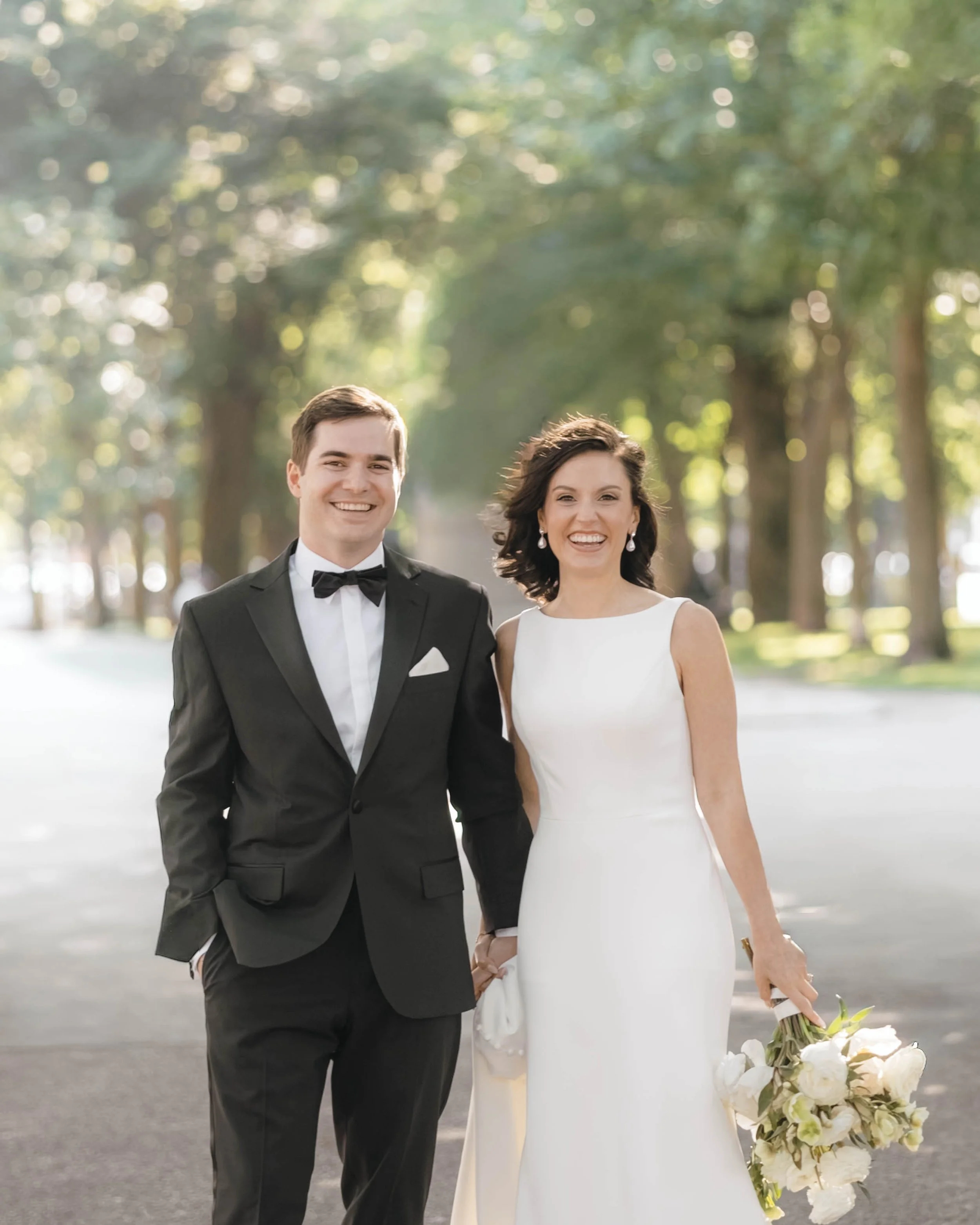
Sarasota Wedding Photographer & Videographer | Mark Davidson
One Vendor for Both Photo and Video — How It Works, and Why It Matters
One contract, one consistent editorial eye across every frame — photo and video covered simultaneously, from a single vendor.
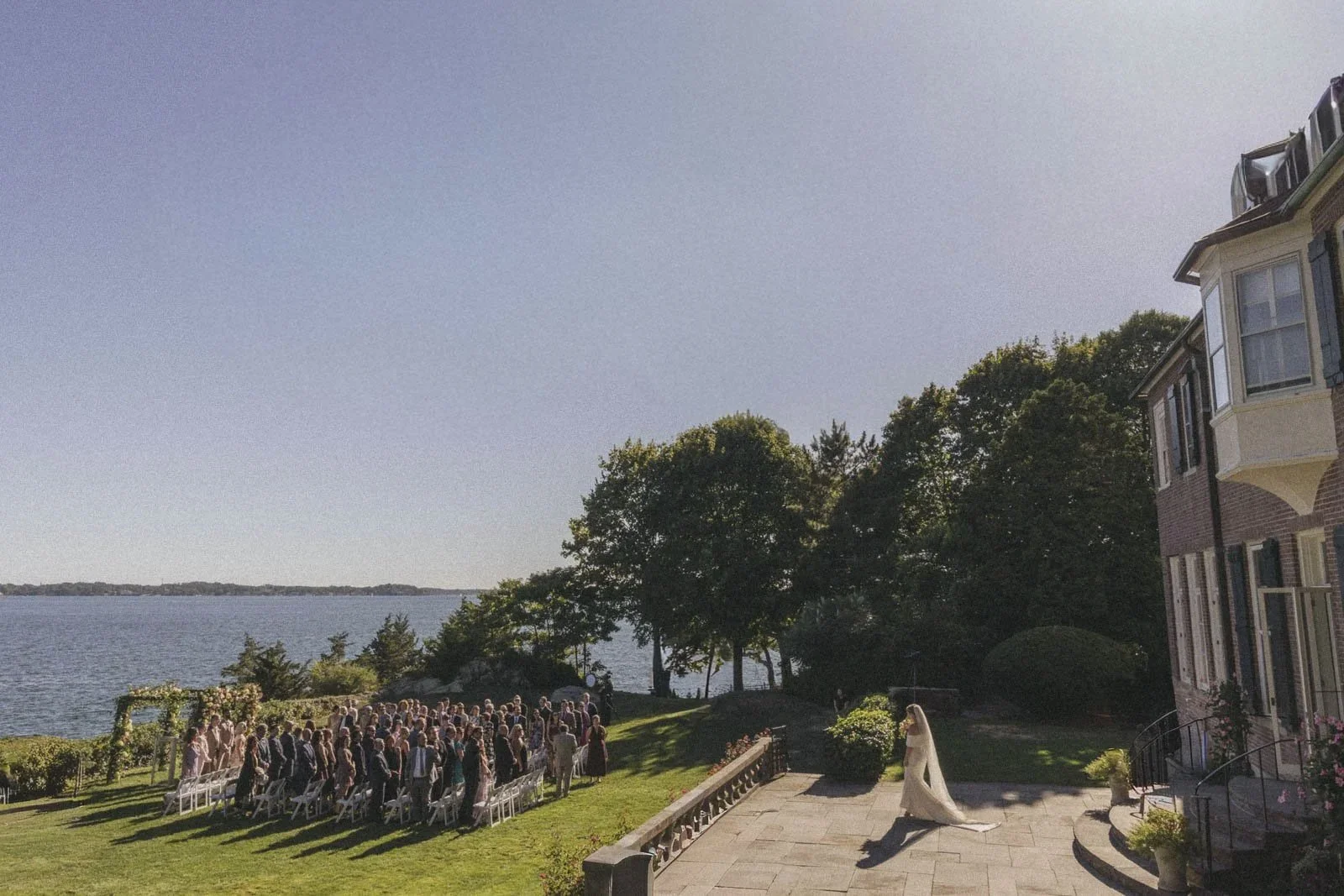
Sarasota waterfront ceremony — documented as it happened.
A single hybrid vendor handles both photo and video simultaneously, with one editing style across both. The practical result: fewer people following you around, no disconnect between your photos and your film, and one contract instead of two. This is how I've worked for nearly 20 years. It works because both cameras run at the same time — not one switching modes.
| Location | Sarasota, FL — serves all of Florida |
| Style | Documentary — observational, unposed, real moments |
| Coverage | Photography + videography, one vendor |
| Starting price | Ceremony film included in every collection |
| Experience | Nearly 20 years, BFA from Brooks Institute |
| Calendar | Selective — approximately 20 weddings per year |
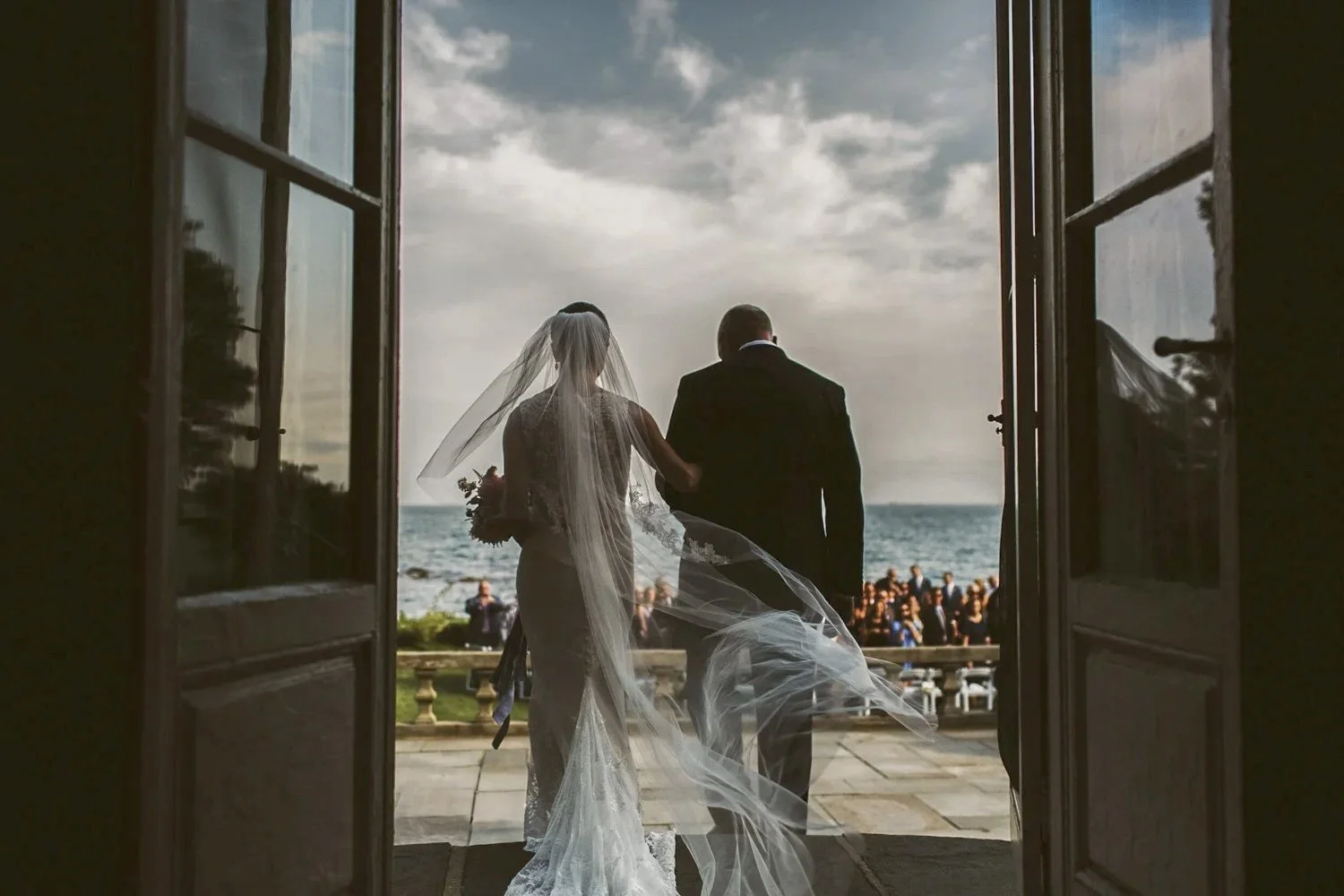
Family formals. Relaxed, efficient, done in under 20 minutes.
The Problem with Two Vendors
Two Contracts, Two Styles, Twice the Presence
Most couples default to hiring a photographer and a videographer separately. It's how wedding planning has always worked, so it's the assumption nobody questions. But hiring two separate vendors creates four problems that are worth naming.
First: two different people following you around all day. Even the most discreet photographer and videographer together add more presence to your getting-ready room, your ceremony, your portraits than one person would. The goal of documentary coverage is for you to forget the camera is there. That gets harder with twice as many people.
Second: two different editing styles. Your photos might feel natural and warm. Your film might feel cinematic and dramatic. They'll look like they came from different weddings, which is jarring when you're watching your highlights film years later.
Third: two separate contracts, two communication styles, two sets of expectations about how the day runs. You're coordinating two creative people who may have never worked together before.
Fourth: cost. A decent wedding photographer in Sarasota starts around $3,000–4,000. A decent videographer starts around $2,500–3,500. You're at $5,500–7,500 before any upgrades.
A single hybrid vendor solves all four. One person. One style. One contract. One price that includes both.
How It Actually Works
Two Dedicated Cameras, Running Simultaneously
I shoot with two dedicated camera bodies. One is almost always configured for photo — silent shutter, fast enough to catch the expression that lasts half a second before it's gone. The other is capturing continuous video footage of the same moment from a slightly different angle.
The key word is simultaneously. When your dad walks you down the aisle, I'm not choosing between getting the photo and getting the video. Both are happening at the same time, from positions that serve both disciplines.
Ask any photographer who claims to do hybrid work how many cameras they use. If the answer is one, they're compromising one discipline to serve the other.
This is different from a photographer who "also does video" and shoots the day on one camera, switching modes when they remember to. It's also different from a dedicated videographer who captures beautiful footage but has no instinct for still photography's decisive-moment timing. Both of those approaches involve a trade-off. Two dedicated bodies — one for each discipline — don't.
The Approach
Documentary Coverage in Sarasota
Documentary wedding photography is observational. The camera responds to what's happening rather than directing it. No "okay, everyone look here." No pulling the couple away for 90 minutes of posed portraits. You live your day. I photograph how it felt.
In Sarasota, the documentary approach has a specific advantage: the venues reward it. The Ringling Museum of Art, Marie Selby Botanical Gardens, the waterfront estates along Sarasota Bay, the beachfront ceremonies on Siesta Key and Longboat Key — these locations have layered, complex character that a photographer who knows how to find a frame will use better than one who builds a shot list and works through it.
A traditional photographer at The Ringling might hit a dozen pre-planned poses and miss the story of the day entirely. A documentary photographer uses the same grounds to catch light, atmosphere, and relationship — the actual experience of being there.
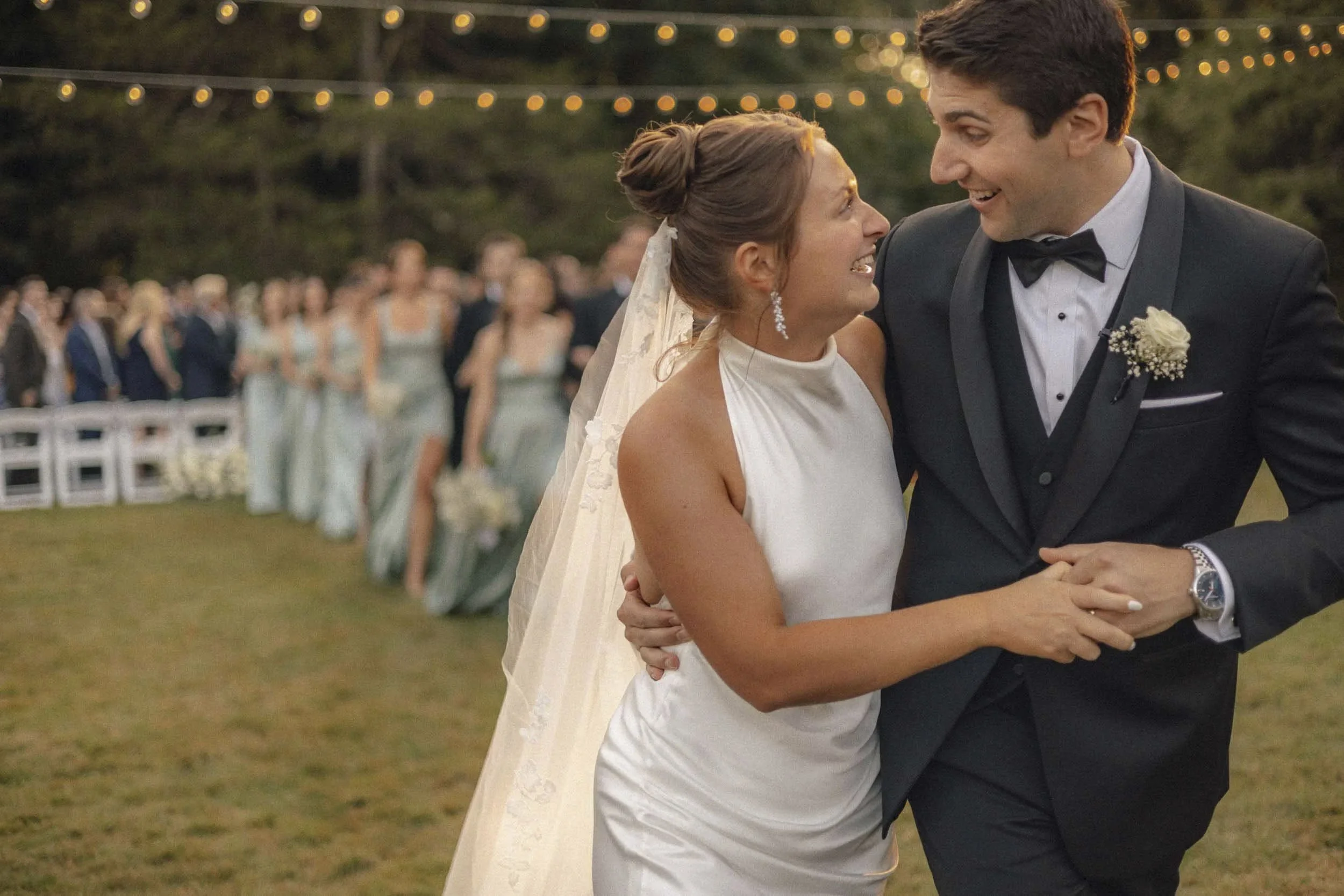
The atmosphere of the evening. Found, not arranged.
Sarasota Venues
How the Documentary Approach Plays at Each
The Ringling Museum of Art
The rose garden, the Banyan trees, the bay views — the grounds are extraordinary, and the afternoon light is directional and warm. The main challenge is scale. The venue is large, guests scatter, and moments happen fast. Knowing the grounds well means anticipating where things will happen, not reacting after they're over.
Marie Selby Botanical Gardens
Layered tropical backgrounds, deep greens, filtered light, and an intimacy that larger estates can't match. The canopy creates low-light conditions that require a different technical approach — I shoot available light first and know when and how to supplement.
Siesta Key and Longboat Key
Beachfront Gulf Coast ceremonies have a specific light problem: midday sun is harsh and flat. Ceremony timing matters more here than almost anywhere else. I'll give an honest recommendation on start time based on your venue's orientation and the time of year.
Sarasota Bay and Bird Key Estates
Waterfront estates offer both intimate indoor coverage and expansive water views. The bay light at golden hour is worth building your entire portrait window around. If there's a sunset shot to be made, I'll know where to be to make it.
Ca' d'Zan and Powel Crosley Estate
Historic architecture with genuine visual weight. Both venues photograph better with a documentary eye than a posed one — the buildings and grounds are interesting enough that the images don't need to be constructed around them.
Downtown Sarasota — Ritz-Carlton, Hotel Ranola
Controlled interior lighting, urban context, and a different register than the waterfront venues. Downtown weddings allow for a grittier, more editorial frame when the moments call for it.
What the Day Looks Like
Getting Ready Through Last Dance
Every collection covers the complete wedding day — typically 8–10 hours from getting ready through reception. Here's what that actually looks like.
Getting Ready
I arrive while you're still mid-process — not posed and dressed, but actually getting ready. Hair being finished. Nerves starting. Your closest people in the same room. This is where the quietest, most personal images come from. On the video side, I'm capturing ambient audio and moving footage of the space, the details, the anticipation — not a talking-heads interview, just the room as it was.
Ceremony
Multiple angles, no disruption. I don't use flash during ceremonies unless the space genuinely requires it. My focus is faces — yours, your partner's, your parents', the people who came the furthest to be there. The ceremony film captures audio from the officiant and vows, ambient sound from the room, and continuous footage that the still photos complement and vice versa.
Portraits
Efficient and relaxed — not a 90-minute production. I schedule 15–20 minutes for family formals and 20–30 minutes for couple portraits. The couple portraits work best during golden hour, which in Florida means late afternoon in summer (7:30–8:00 PM) or mid-afternoon in winter (4:30–5:00 PM). I'll build the portrait window into your timeline around your specific venue and ceremony time. For couples doing a first look, most of the portrait coverage can be front-loaded before the ceremony — which gives you the ceremony and reception back.
Cocktail Hour and Reception
This is where documentary coverage does its best work. Cocktail hour is guest interactions, laughter, old friends finding each other. I'm photographing and filming all of it. During the reception, I cover first dances, toasts, parent dances, and the full arc of the evening. Toasts especially — the combination of genuine emotion, the faces of people listening, the room reacting — make for images and footage that age better than almost anything else from the day.
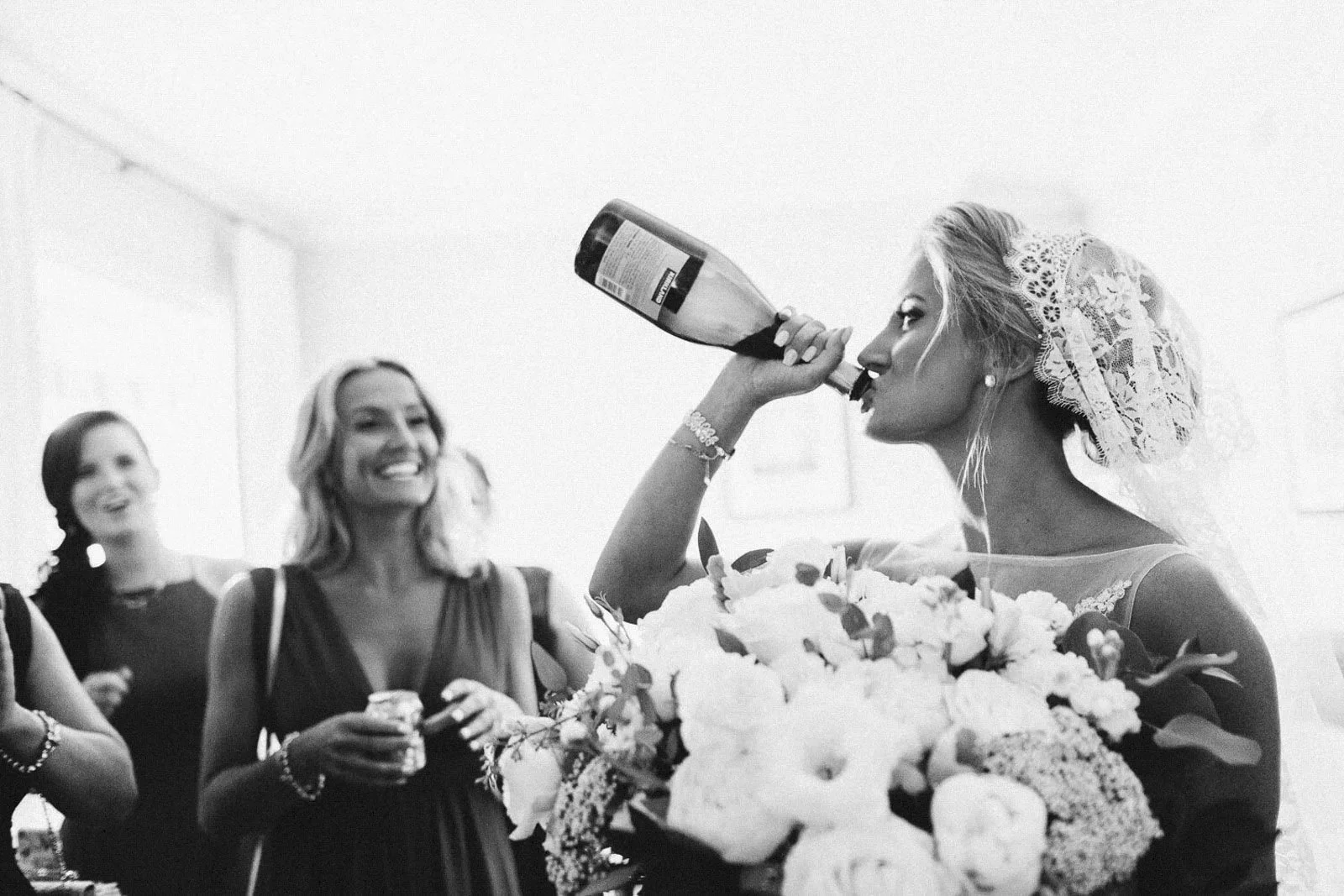
Cocktail hour. Unscripted.
The Ceremony Film
Included in Every Collection
Every collection includes a complimentary ceremony film. Not a rough cut or a raw footage dump — an edited film, delivered alongside your photos, that covers the full arc of your ceremony from processional through recessional.
The ceremony film is shot on the same bodies that capture your photos. Audio is captured with an unobtrusive lapel mic or ambient recording depending on the venue. The final film is edited to feel like the ceremony — not a highlight reel, not a cinematic trailer, but a real record of what happened.
This is the film you'll watch when you need to remember exactly how it felt when your partner read their vows. It exists because it's the one piece of footage that can never be recaptured. That's why it comes with every collection by default.
For couples who want more — a highlights film, a full reception film — those are available as add-ons. But the ceremony film is always included.
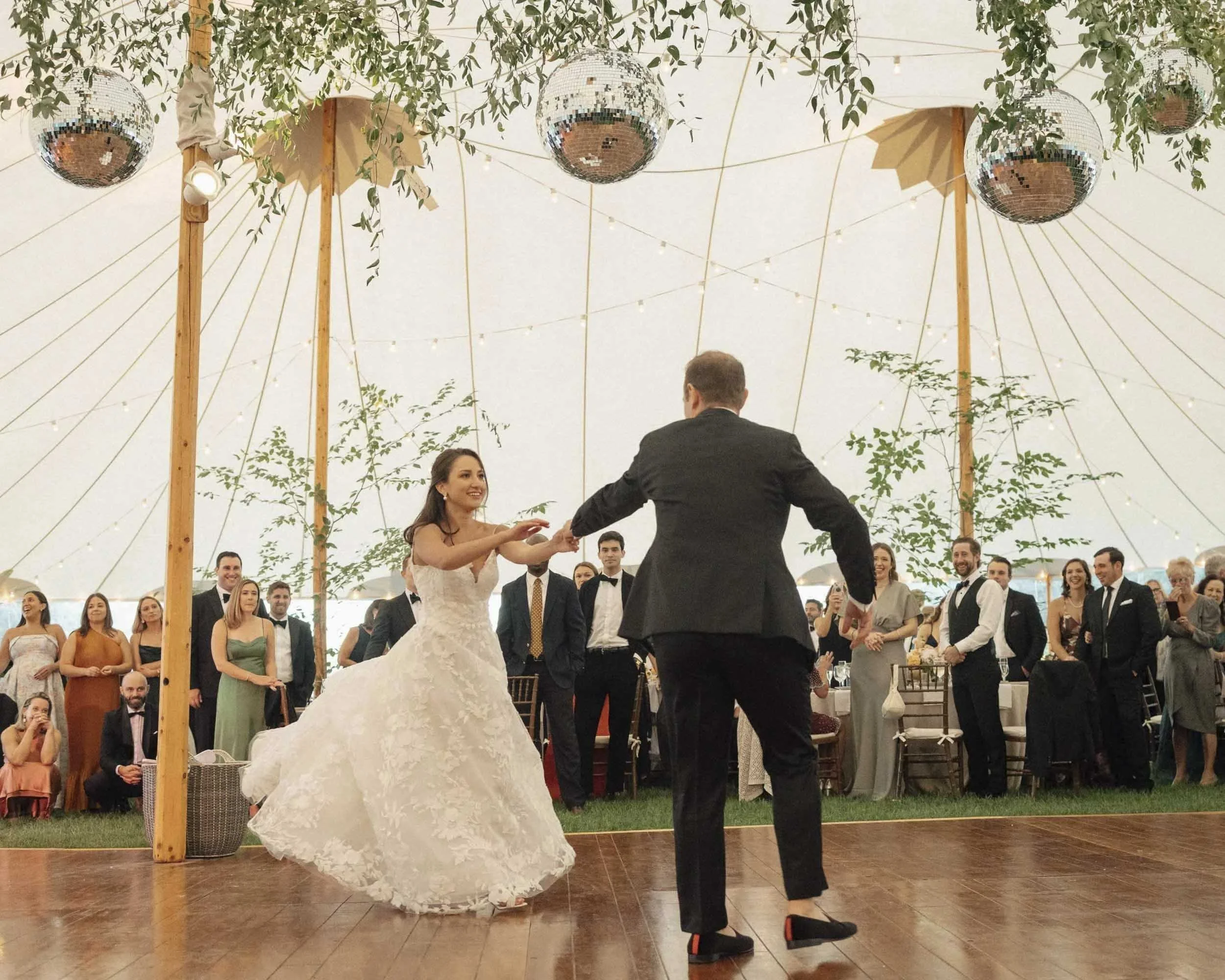
First dance. Both cameras running.
To see what the films look like, browse the wedding films portfolio →
Pricing and Coverage
What Every Collection Includes
Every collection covers the full day, both disciplines, one vendor.
Included in Every Collection
- Full-day documentary photo coverage (8–10 hours)
- Both cameras running simultaneously
- Professional editing of all delivered photos
- Complimentary ceremony film (edited)
- Online gallery for sharing and downloading
- Print release
Available Add-Ons
- Highlights film (5–8 min, edited to music)
- Full reception film
- Engagement session
- Second shooter
Background
Nearly 20 Years. One Approach.
I trained at Brooks Institute of Photography — one of the most technically rigorous commercial photography programs in the country — where I earned a BFA in Commercial Photography. That training is visible in how I work: the way I read light, the way I anticipate composition, the way I handle fast-moving situations without losing technical control.
I'm a member of the Wedding Photojournalist Association (WPJA). Membership requires submitting work for editorial review — it isn't automatic, and it isn't a paid credential. It's the most relevant professional standard in documentary wedding photography specifically.
My work has been featured in Martha Stewart Weddings and Brides. Editorial placement, not advertising.
I take approximately 20 weddings per year. Not because I can't handle more, but because that's the number that lets me give every couple full attention — from the first conversation through the delivered gallery. The selective calendar isn't a positioning strategy. It's how the work stays good.
To see the work, browse the photo portfolio → or watch the wedding films → For more on how I work, read the about page →
Fit
Is This the Right Approach for Your Wedding?
The single-vendor hybrid approach is the right call for most couples — but not every couple. Here's the honest version.
If you want natural coverage, you're camera-shy, you'd rather be present than directed, and you want the photo and video to feel like they came from the same day — this is probably your fit. The same is true if you're planning a Sarasota wedding at one of the venues above and want someone who knows the light and the grounds.
If you want heavily stylized, editorial-fashion photography — the kind with dramatic off-camera lighting and a highly produced cinematic aesthetic — I'm not the right person. If you need more than 30 minutes of formal posed portraits, or if you specifically want a separate photographer and videographer with distinct cinematic styles, you'll be better served by finding both separately.
There's no judgment in either direction. The question is whether what I offer matches the day you actually want.
Common Questions
What is documentary wedding photography?
It's a candid, observational approach where the camera captures the day as it actually happens — without directing, staging, or interrupting real moments. The instincts come from photojournalism: anticipate, observe, be in the right position without being in the way. In practice, it means you spend your wedding day being present rather than being directed.
Do you really handle both photo and video at the same time?
Yes — with two dedicated camera bodies, not one switching modes. Both are running simultaneously through most of the day. Photo and video don't compete with each other; they cover the same moments from complementary angles. The only honest hybrid setup uses dedicated equipment for each discipline.
What's included in the complimentary ceremony film?
The ceremony film is an edited film covering the full ceremony from processional through recessional. It includes audio — vows, officiant, ambient sound — and is edited to feel like the ceremony itself, not a highlight reel. It's delivered alongside your photo gallery as part of every collection.
How far in advance should I book?
For peak Sarasota wedding season — October through May — 12–18 months in advance is common. I take approximately 20 weddings per year, so the calendar fills in patterns rather than linearly. Summer dates are more available. The earlier you reach out, the more flexibility there is.
Do you travel outside Sarasota?
Yes. I shoot weddings throughout Florida — Tampa, Miami, Key West, Orlando, Fort Lauderdale, Naples, Palm Beach. Travel fees apply depending on distance. Destination weddings outside Florida are available on a case-by-case basis.
Can I see a full gallery, not just highlights?
Yes, and you should ask. I'm happy to share complete galleries from similar venues and lighting conditions. Any photographer worth hiring can show you a full day's coverage — not just the curated best-of. If a photographer only shows highlights, that's worth asking about.
What if something goes wrong with the equipment?
I carry two complete, redundant setups. If one body fails, the other continues without interruption. I've been shooting weddings for nearly 20 years without a critical equipment failure — but the redundancy exists so that outcome stays impossible.
If you're trying to decide between two vendors and one, the clearest way to answer that question is to have an actual conversation about your day. No pressure, no pitch.
Because you should celebrate your day, not choreograph it.
Get in TouchMark Davidson is a documentary wedding photographer and videographer based in Sarasota, Florida, with nearly 20 years of experience. He holds a BFA in Commercial Photography from Brooks Institute of Photography, is a member of the Wedding Photojournalist Association (WPJA), and his work has been featured in Martha Stewart Weddings and Brides. He maintains a selective calendar by design. Every collection includes a complimentary ceremony film.