
Wedding Timeline: How to Build a Day That Actually Lets You Breathe
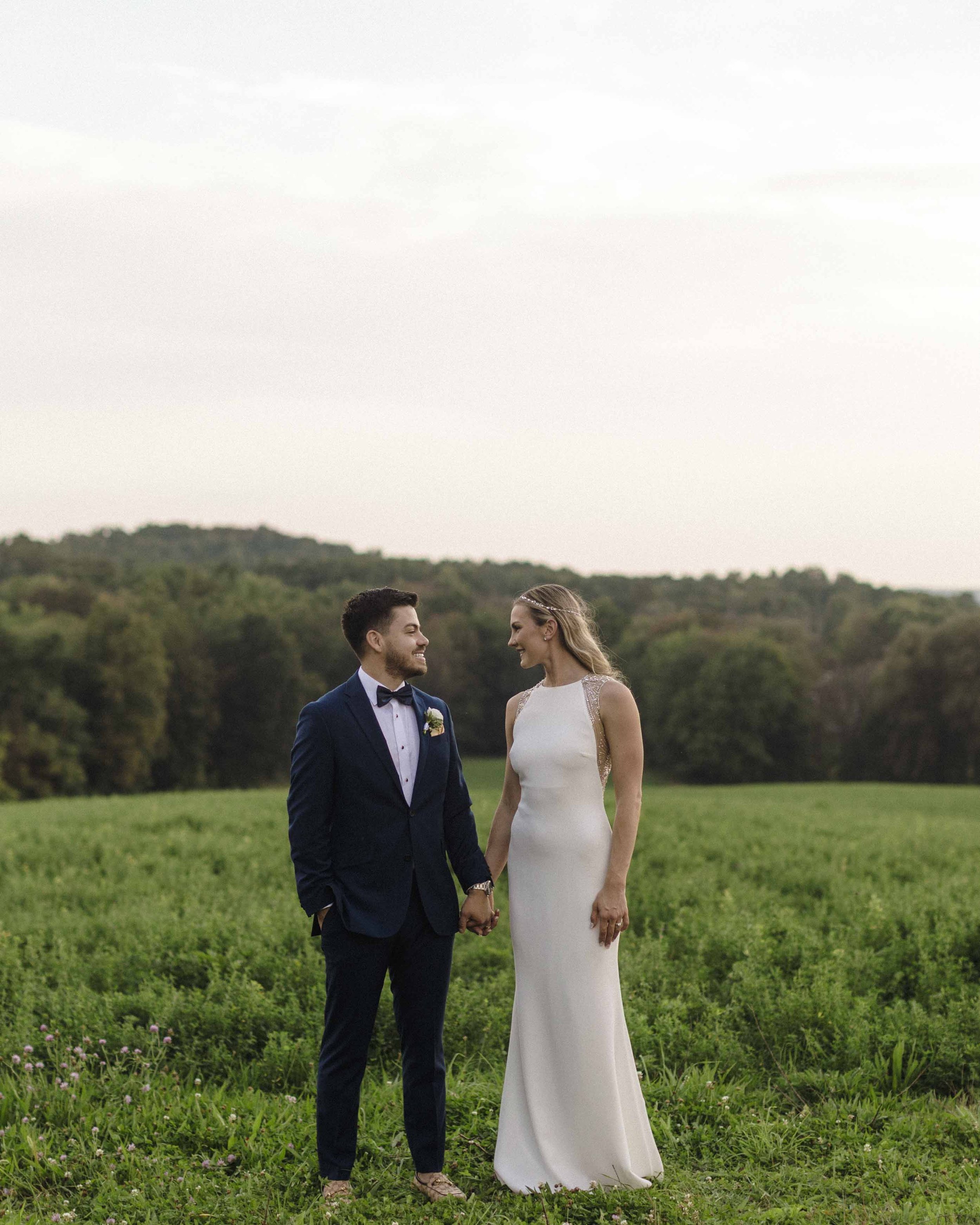
You've Probably Been Told Your Wedding Day Will Fly By
And honestly? For a lot of couples, it does. Not because the day is that short — but because the timeline is so compressed that you're sprinting from one thing to the next, barely breathing, definitely not eating, and only really seeing each other for the first time when you're already standing at the altar with a hundred people watching.
That's the traditional timeline. And it works for some people. But if the idea of your first moment together being a performance — cameras clicking, guests craning their necks, officiant waiting — makes you feel more anxious than excited? There's another way.
Quick Answer: A first look wedding timeline typically moves portraits and couple time before the ceremony, giving you 60-90 minutes of private, unrushed time together. This means less chaos, more present photos, and a ceremony where you can actually be in the moment instead of catching your breath. For documentary photography specifically, this structure is a game-changer — it gives real emotion room to unfold.
Let me walk you through exactly how to build one, what to expect, and why this single decision might be the most important timeline choice you make.
What a First Look Actually Is (And Isn't)
A first look is simply seeing each other before the ceremony — usually privately, often with just your photographer present. That's it. It doesn't have to be a dramatic reveal. It doesn't require a specific location or choreography. It's just... the two of you, before the day speeds up.
Here's what I've noticed after nearly 20 years of shooting weddings: couples who do a first look are almost always more relaxed during their ceremony. The nervous energy has already been released. They've already cried the first tears, already held each other, already taken a breath together. By the time they're walking down the aisle, they're not meeting each other — they're returning to each other.
That difference shows up in the photos.
A Sample First Look Timeline (And How to Adapt It)
Here's a timeline I've used for hundreds of weddings. Think of it as a starting point — we'll adjust based on your venue, your guest count, and how much buffer time makes you feel comfortable.
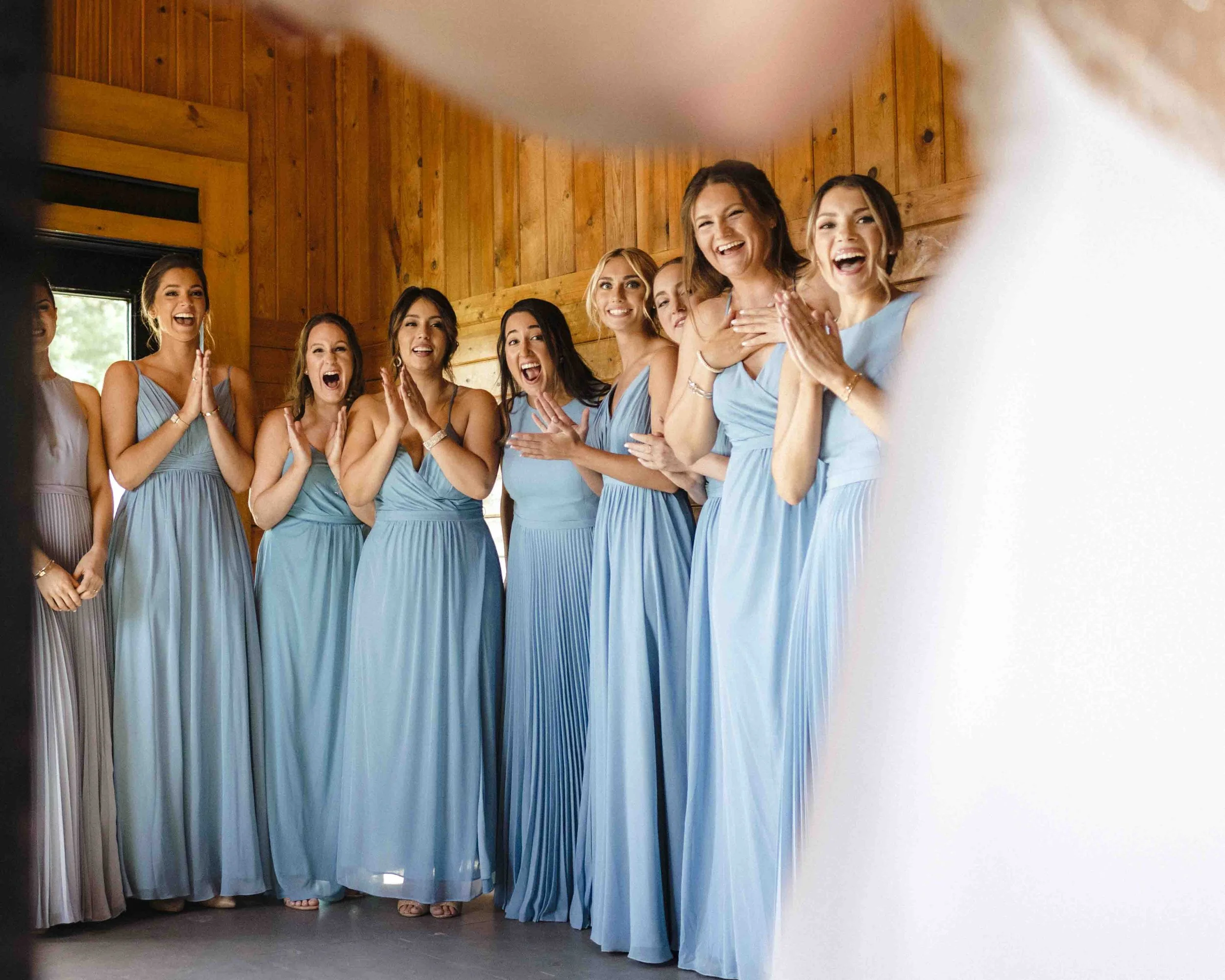
1:00 PM – 3:00 PM | Getting Ready
I arrive while you're still mid-process — hair being finished, dress not yet zipped, the champagne already open. This is where documentary photography really lives: the candid moments, the nervous laughter, the texts from your person asking if you're ready yet.
I need about 90 minutes minimum for getting ready coverage. That gives us time for the quiet details (your grandmother's ring, the handwritten vows, the "something borrowed") and the unscripted chaos that makes these photos feel real.
Pro tip: If you're getting ready somewhere with great natural light — a big window, a bright room — that's all we need. If the room is dim and cramped, we can work with it, but we might step outside for a few key shots.
3:00 PM – 3:30 PM | The First Look
This is yours. Truly private, typically just you two and me staying unobtrusive. I'll position one of you with your back turned, then step back and let the moment happen. No direction, no "okay now look at each other" — just you, being you.
Some couples laugh. Some cry. Some just stand there holding each other quietly. There's no right way to do this, which is exactly the point.
3:30 PM – 4:30 PM | Portraits, Family, Wedding Party
Now that you've had your moment, we move into the photos that traditionally get crammed into cocktail hour: family groupings, wedding party shots, and more couple portraits.
Here's the difference with a first look timeline: we're not rushing. I can get your entire family photo list done in 15 minutes — I've done it a thousand times — but the couple portraits? Those get real time. Thirty minutes or more of just walking, talking, and letting the light find you.
For Sarasota weddings, this is especially important. Venues like The Ringling, Marie Selby Gardens, or even a quiet stretch of Siesta Key have incredible portrait locations — but they need time to explore. A compressed timeline turns those locations into a checklist. A first look timeline lets them become part of your story.
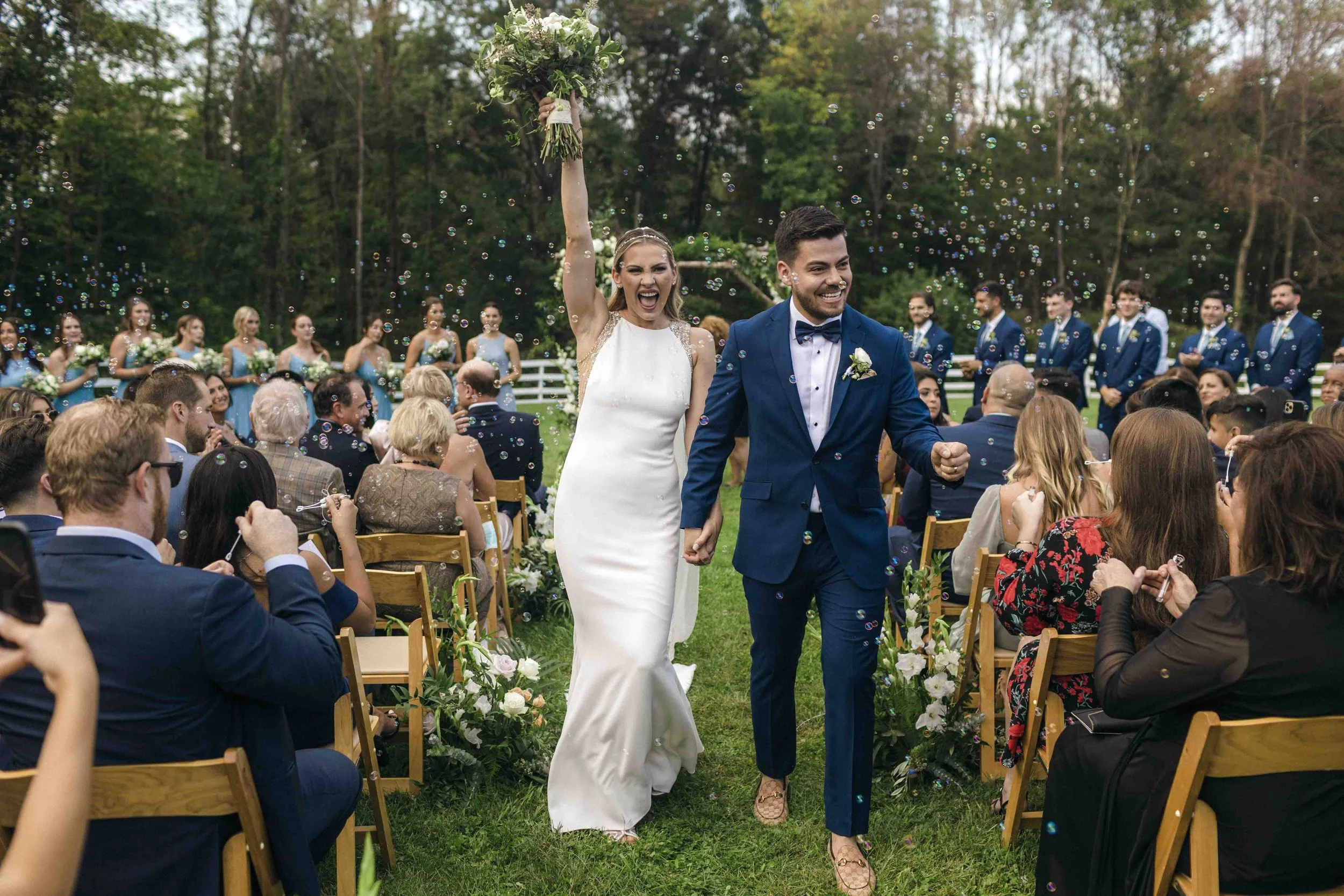
4:30 PM – 5:00 PM | Breathe
You heard me. Built-in buffer time to get a drink, use the bathroom, adjust your lipstick, or just sit somewhere quiet and hold hands for five minutes. This buffer is non-negotiable in my timelines. Wedding days have a way of absorbing time — we build the margin so the day doesn't swallow you.
5:00 PM – 5:30 PM | Ceremony
By now, you've already seen each other. Already cried. Already taken the photos that would normally eat into your cocktail hour. So when you walk down that aisle, you're not arriving — you're arriving.
I've photographed enough ceremonies to know: couples who do a first look are more present during their vows. Their shoulders are lower. Their eyes are steadier. They're not overwhelmed because they've already processed the big emotional hit. Now they can just... be there.
5:30 PM – 6:30 PM | Cocktail Hour
You get to attend your own cocktail hour. I know — revolutionary. While your guests are mingling, you're actually mingling too, not stuck in a corner taking family portraits while the passed appetizers disappear without you.
I'll be documenting the scene — the conversations, the hugs, the people finding each other. And if there's golden hour light happening? We might slip away for five minutes to grab a few more portraits.
6:30 PM – 10:00 PM | Reception
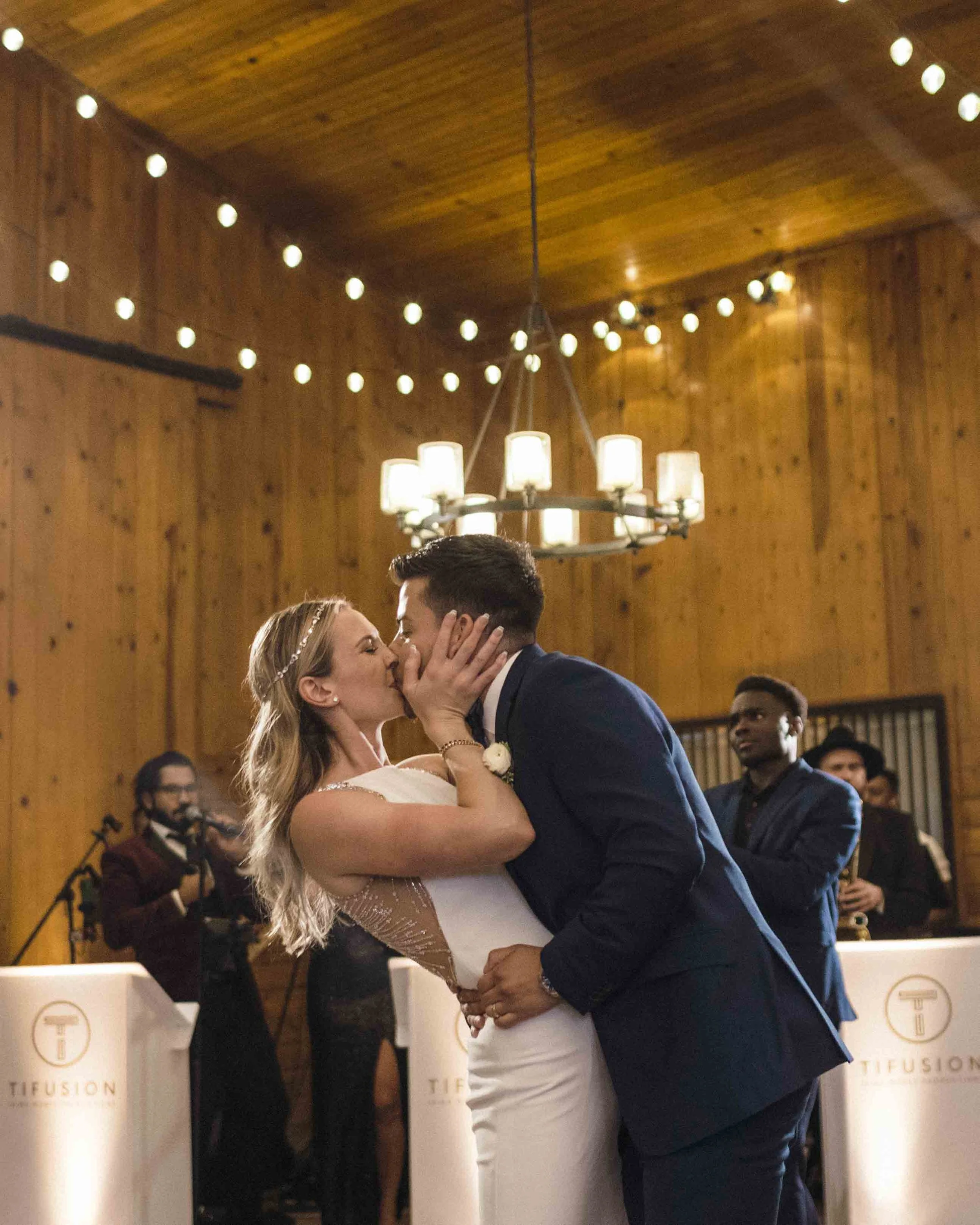
First dances, toasts, parent dances, and then the dance floor opens. I stay through the reception documenting the whole thing — the quiet moments and the chaos, the tearful speeches and the drunk uncles. This is where documentary photography really earns its name.
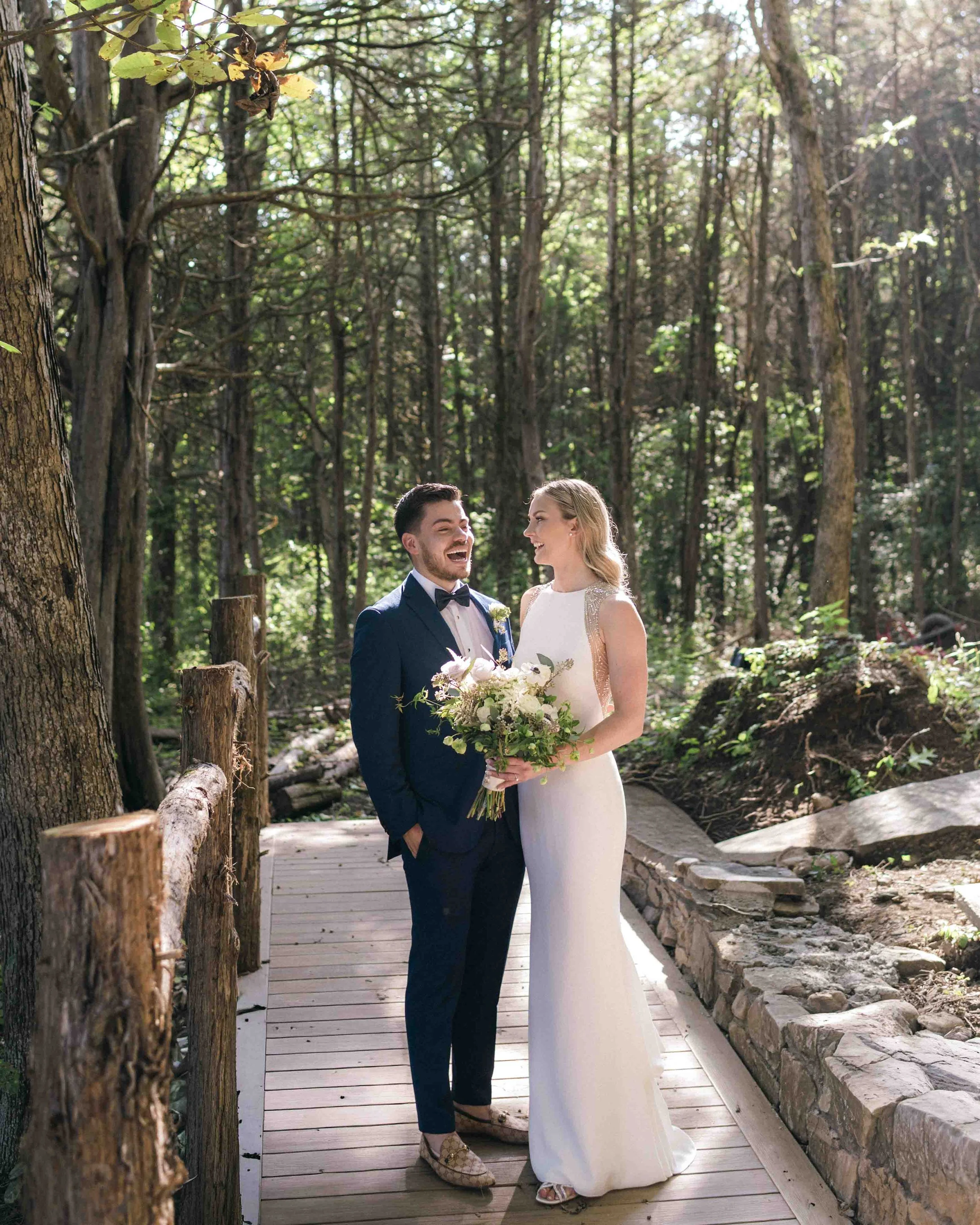
But What About Tradition?
This is the most common hesitation I hear: "But I want him to see me for the first time when I'm walking down the aisle."
Here's what I'd say: that's totally valid. If that moment of public arrival matters to you — really matters, not just something you think you're supposed to want — then a traditional timeline might be right for you.
But if you're imagining that aisle walk and feeling mostly nervous about all the eyes on you... a first look doesn't take away the ceremony moment. It just gives you a private one first. You still walk down the aisle. They still see you. It's still emotional. You're just not doing it on empty.
The first look doesn't replace the ceremony. It prepares you for it.
Why This Timeline Works for Documentary Photography
Most wedding photography happens in two modes: either the photographer is directing everything ("look at each other, now kiss, now walk toward me"), or they're standing back and hoping something good happens.
Documentary photography is a third option: being present enough to anticipate the moment, but invisible enough to let it happen. And that requires time.
A compressed traditional timeline forces me to shoot faster, direct more, and capture less of what's actually happening. A first look timeline gives the day room to unfold. It means I can spend thirty minutes on portraits instead of twelve. It means the ceremony isn't the first time I'm seeing you two interact. It means the photos look like you, not like a shot list.
Building Your Timeline (Florida-Specific Considerations)
If you're getting married in Sarasota, Tampa Bay, or anywhere on the Gulf Coast, a few things to factor in:
Sunset timing: Florida sunsets are earlier than you think in winter (around 5:45 PM in December) and later in summer (8:30 PM in June). We'll build your timeline around golden hour if that light matters to you.
Heat and humidity: A 2:00 PM first look in July means you're outside in the hottest part of the day. We might push it later, find shade, or move quickly. I'll help you think through the logistics.
Outdoor venues: Places like Selby Gardens or The Ringling have outdoor ceremony options that look incredible — but they're also exposed. Weather contingencies and timing flexibility are built into every timeline I create.
Frequently Asked Questions
How long should a first look take?
Plan for 20-30 minutes total, including travel time to the location. The actual moment is usually 5-10 minutes — but you want buffer on either side so it doesn't feel rushed.
Can we still do a first look if our venue has a tight schedule?
Yes. First looks are flexible — they can happen at your getting-ready location, a nearby park, or even a quiet corner of the venue. We'll find a way to make it work.
What if one of us doesn't want to do a first look?
That's okay. The traditional timeline works fine — it just means portraits happen during cocktail hour, and the ceremony is your first moment seeing each other. Both approaches give you great photos; it's about what feels right for you.
How much time do we need for family photos?
With an organized shot list, 15-20 minutes is usually enough for immediate family. If extended family is involved, budget 30-40 minutes. I'll send you a planning guide ahead of time so we're efficient.
Ready to Build Your Timeline?
Every couple is different. Every venue has quirks. I'd love to hear about your day and help you put together a timeline that gives you room to actually be there — not just survive it.
View my portfolio →
Let's talk about your wedding →
Mark Davidson is a documentary wedding photographer based in Sarasota, Florida, with nearly 20 years of experience and work featured in Martha Stewart Weddings. He limits his calendar to roughly 20 weddings per year to ensure every couple gets his full attention.