
Sarasota Wedding Photography Styles: Documentary, Traditional, and Editorial Compared
Documentary, Traditional, or Editorial: Which Wedding Photography Style Is Right for Your Day?
The style you choose doesn't just affect what your photos look like. It determines how you spend your wedding day — and whether you actually get to be present for it.
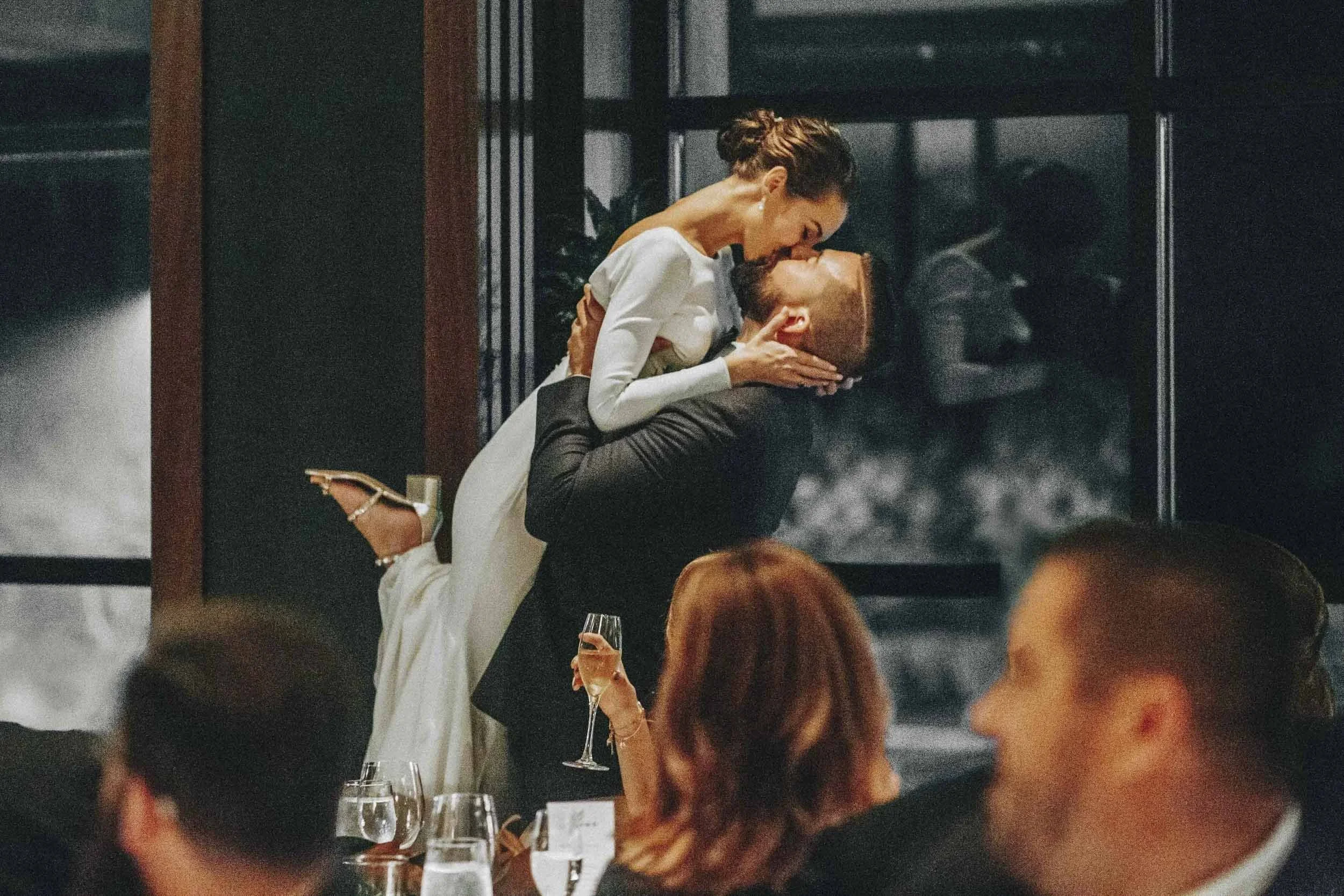
Sarasota wedding — photographed as it happened.
Documentary photography is observational — the camera follows the day as it unfolds. Traditional photography is direction-based — the photographer builds images by posing and arranging. Editorial photography treats the wedding as a production. The approach you choose determines whether you spend the day living it or performing for it. There is a right fit. It depends on who you are.
| Documentary | Traditional | Editorial | |
|---|---|---|---|
| Approach | Observe and capture | Direct and pose | Style and produce |
| Your role | Live your day | Follow direction | Participate in a production |
| Portrait time | 15–20 min | 60–90+ min | 90+ min |
| What it captures | What happened | How you looked | A visual concept |
| Best for | Present-focused couples | Pose-comfortable couples | Production-oriented couples |
| Credential | WPJA membership | PPA, certification | Editorial publications |
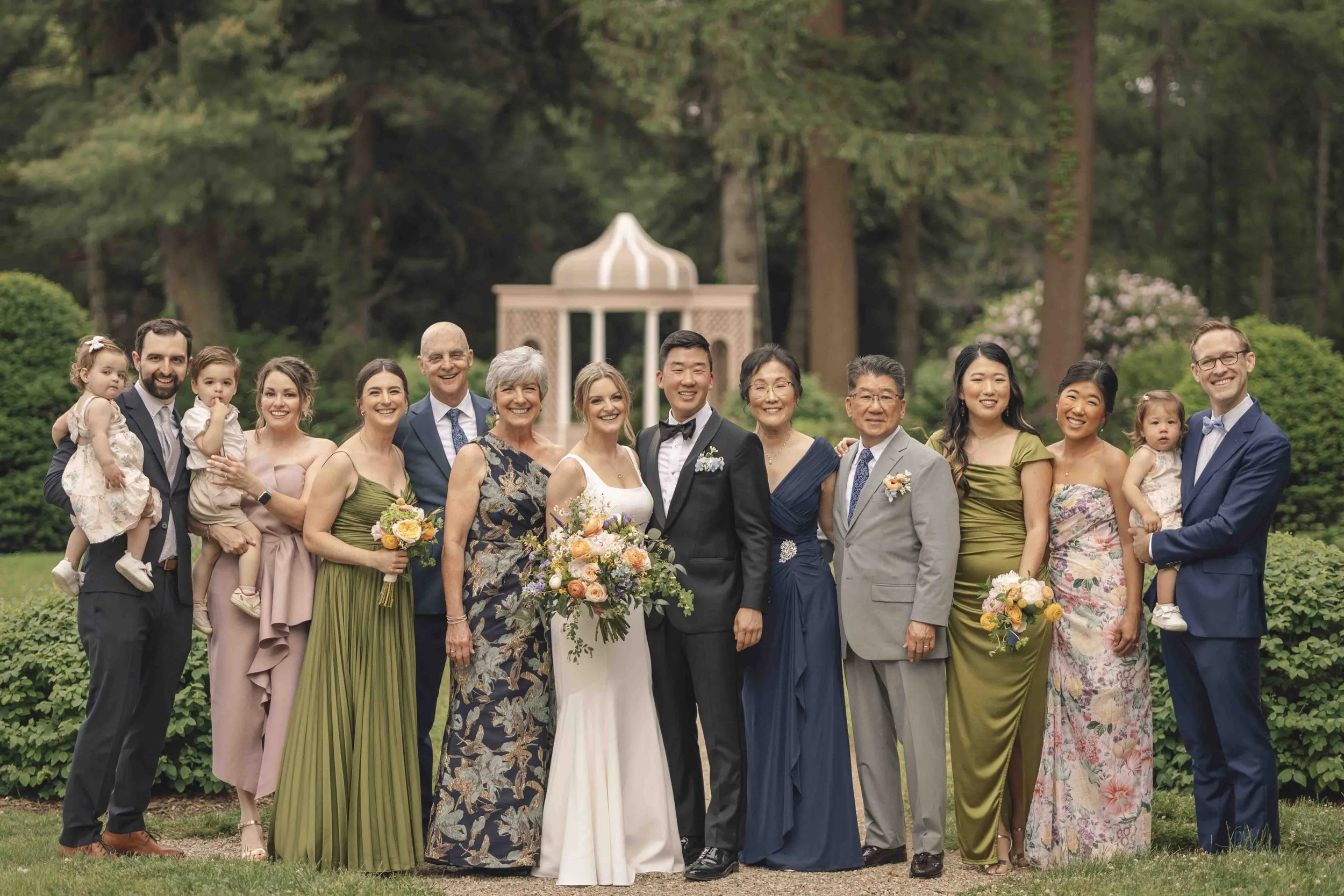
Family portraits — done efficiently, without losing the cocktail hour.
Style 01 — The approach I use
Documentary Wedding Photography
Documentary photography comes from photojournalism. The camera observes. It anticipates. It doesn't interfere. The goal isn't to build a perfect image — it's to find the real one.
At a Sarasota wedding, that means I'm moving through the room while your ceremony is happening, not standing in one spot. It means the cocktail hour at The Ringling or Marie Selby is photographed as it actually unfolds — guests finding each other, your grandmother pulling someone in for a hug, the quiet moment between you and your partner that nobody staged. I'm there for all of it. I'm not arranging any of it.
Your portraits take 15–20 minutes. Not because I'm cutting corners, but because that's how long it takes to make great portraits when you're not manufacturing them. The rest of that time is yours.
What it captures: The face your dad made when he saw you. The toast that made the room go quiet. The way you two actually are together — not how you look when someone tells you to look that way.
Who it's for: Couples who are camera-shy. Couples who'd rather be at their wedding than performing in it. Couples who understand that the most honest photo of your day might not be technically perfect — and are completely fine with that.
Credential: WPJA membership is the standard for this approach. It requires editorial review of submitted work — not just a paid membership.
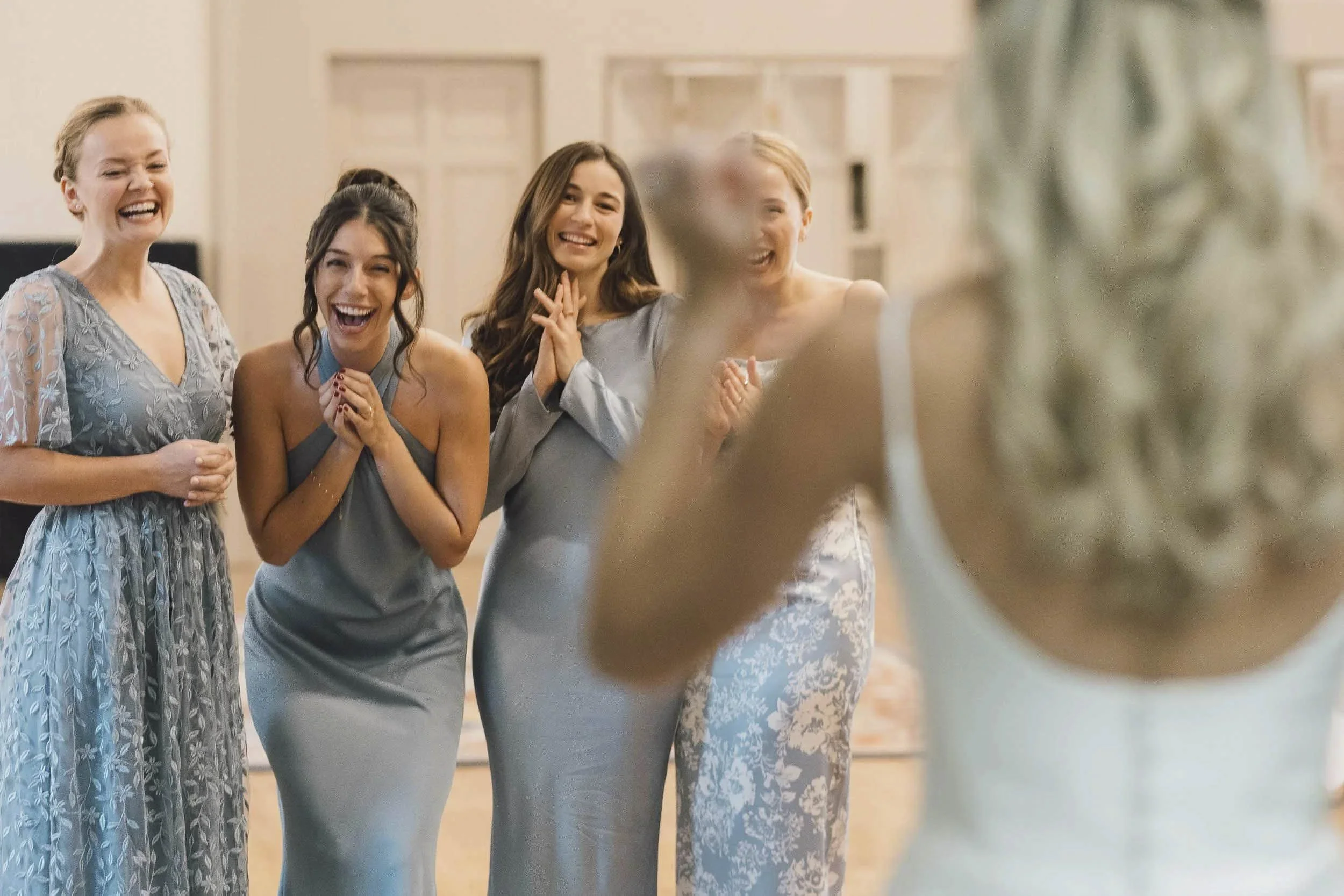
The reaction. Found, not staged.
Style 02
Traditional Wedding Photography
Traditional photography is built on direction. The photographer arranges people, shapes the composition, and produces images through deliberate construction rather than observation. It's a different craft — not an inferior one.
In practice, this means a longer portrait session. Family formals often run 45 minutes or more. The couple is typically pulled away for 60–90 minutes of portraits during the reception. The images are polished and intentional. They reflect how the day looked, with every variable controlled.
What it captures: A well-executed visual record. The images are technically consistent and formally composed. They show relationships as they were presented, not as they happened.
Who it's for: Couples who feel confident in front of a camera and want extensive formal portrait coverage. Couples who have a specific list of must-have shots. Couples whose priority is visual polish over authenticity.
Credential: PPA membership and certified professional photographer designations are the common standard here.
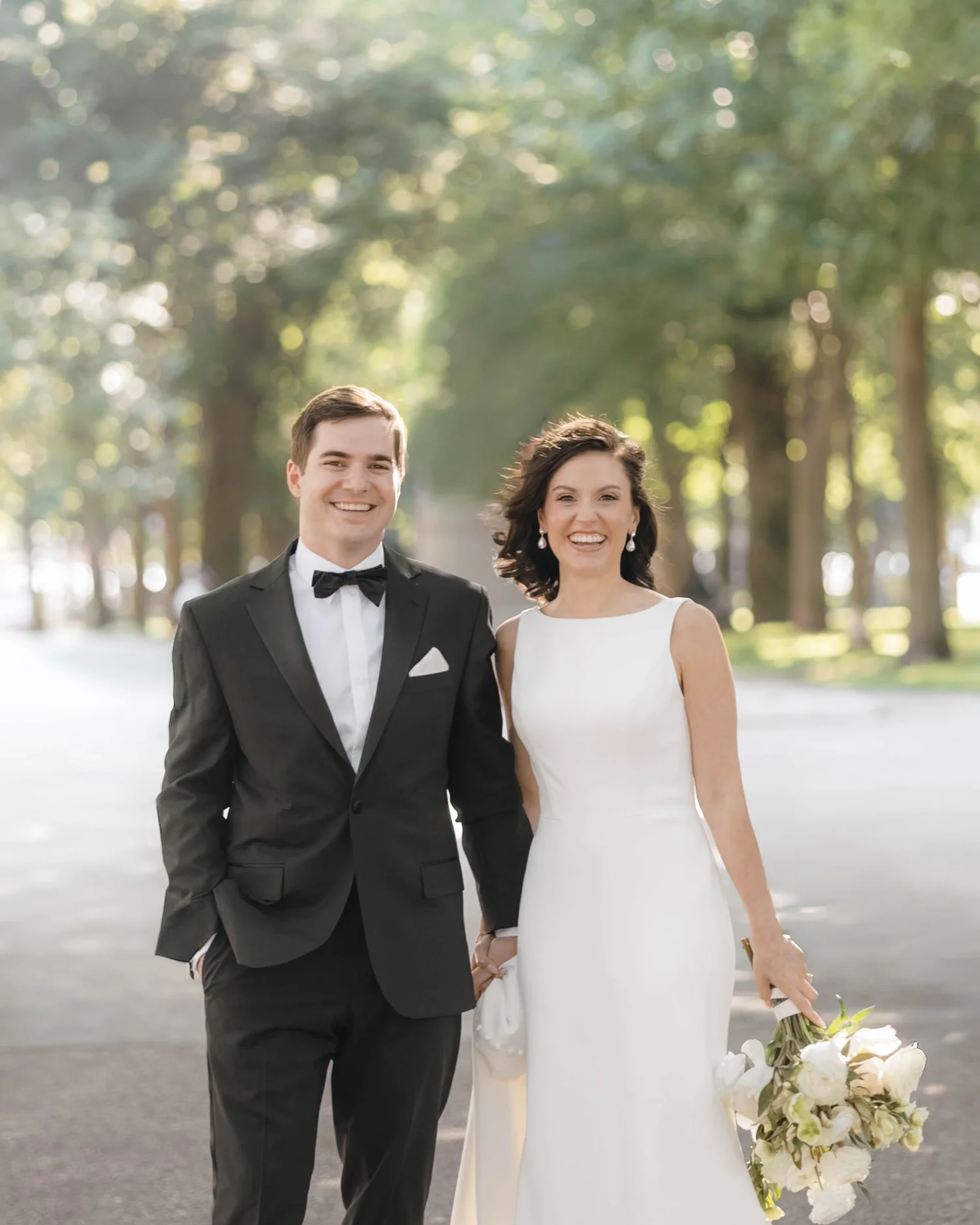
Composed. Deliberate. A record of how you looked.
Style 03
Editorial Wedding Photography
Editorial photography treats the wedding as a visual production. The photographer is making images that could appear in a fashion publication — with lighting setups, scouted locations, and a specific stylized aesthetic. The result is visually striking. The trade-off is that a portion of your day is organized around producing it.
It's worth naming honestly: most couples who think they want editorial photography actually want documentary. They've seen a stunning, dramatically lit portrait and assumed that's what all great wedding photography looks like. It isn't. The most memorable images from most weddings — the ones people actually talk about — are almost always the ones that caught something real.
Who it's for: Couples who specifically want high-fashion, production-quality imagery and are fully comfortable spending significant time in a creative process on their wedding day.
The Real Question
Most Photographers Do Some of Each — Here's How to Tell the Difference
Every documentary photographer includes some direction — family formals, a short portrait session. Every traditional photographer captures candid moments when they see them. The meaningful difference isn't whether a photographer ever poses anyone. It's what they do by default.
"What are you doing during cocktail hour when there's no specific shot on the list?"
Ask that question. A documentary photographer is moving through the room, watching, waiting for something real to happen. A traditional photographer may be setting up the next formal shot. Neither answer is wrong. But they're telling you two completely different things about how your day will be covered.
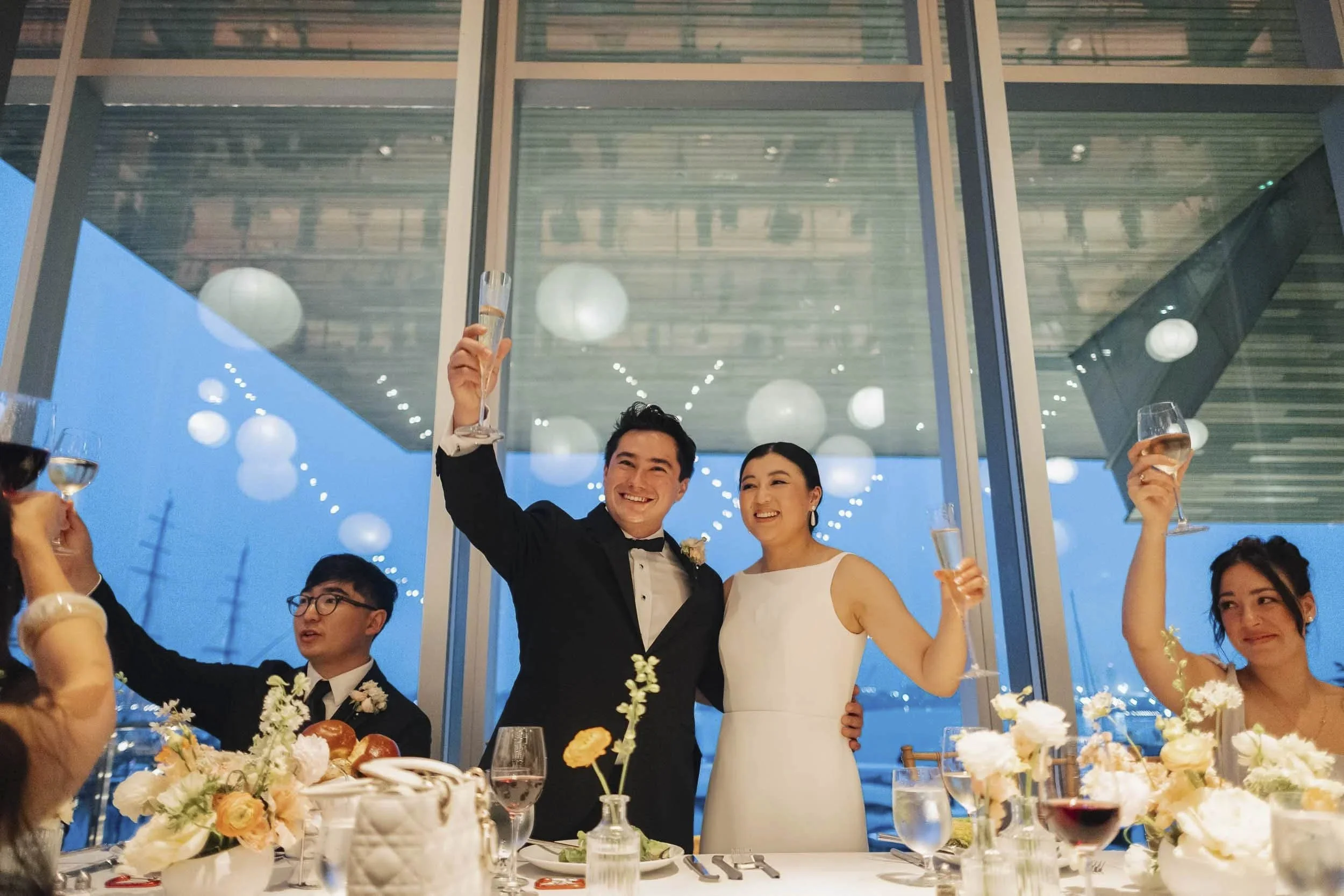
Cocktail hour. Observed, not directed.
Choosing the Right Fit
Which Approach Is Right for Your Sarasota Wedding?
The answer isn't about aesthetics. It's about how you want to spend the day.
Couples who thrive with a documentary approach tend to share a few things: they're uncomfortable being posed, they want to be present rather than performing, and they care more about what the day felt like than whether every image is technically perfect. If that sounds like you, documentary is probably your fit.
Couples who thrive with a traditional approach are typically comfortable in front of a camera, have a clear list of specific shots they want, and place high value on polished, formally composed portraits. If that's you, traditional is the better call.
Documentary — Good Fit If:
- You'd rather experience the day than perform it
- You're camera-shy or dislike being directed
- Authenticity matters more than perfection
- Your venue has character worth observing — The Ringling, Ca' d'Zan, Marie Selby, Siesta Key
Traditional — Good Fit If:
- You want 60–90+ minutes of formal portrait coverage
- You feel natural and confident in front of a camera
- You have a specific shot list that needs executing
- Visual polish is the priority
To see the documentary approach in action, browse the photo portfolio → or watch the wedding films →.
Common Questions
What is documentary wedding photography?
It's observational coverage — the camera captures what's actually happening rather than building scenes. The approach comes from photojournalism: anticipate, observe, don't interfere. You get a record of what your day actually felt like, not a production of what it was supposed to look like.
Can I get documentary coverage and still have formal portraits?
Yes. Documentary photographers include a portrait session — typically 15–20 minutes — and organized family formals. The difference is proportion. Formal coverage is part of the day, not the whole approach. If you want 90 minutes of directed portraits, a documentary photographer probably isn't the right fit, and a good one will tell you that upfront.
Does documentary photography mean lower image quality?
No — it means different images than traditional or editorial photography. Documentary photos are sometimes technically imperfect: motion blur, an off-angle, a background you didn't choose. They're that way because they were caught in a real moment, not constructed. Whether that's a flaw or the whole point depends entirely on what you value.
Is documentary photography right for every Sarasota venue?
It works at any venue, but it rewards venues with genuine atmosphere and visual complexity — places where something interesting is always happening in the background. Venues like The Ringling, Marie Selby Botanical Gardens, Ca' d'Zan, and Powel Crosley Estate are well-suited to the approach. An observational eye thrives when there's something worth observing.
If you've read this far and the documentary approach resonates — if you want to actually be at your wedding rather than running through a shot list — I'd like to hear about your day.
Because you should celebrate your day, not choreograph it.
Get in TouchMark Davidson is a documentary wedding photographer and videographer based in Sarasota, Florida, with nearly 20 years of experience. He holds a BFA in Commercial Photography from Brooks Institute of Photography, is a member of the Wedding Photojournalist Association (WPJA), and his work has been featured in Martha Stewart Weddings and Brides. He maintains a selective calendar by design. Every collection starts at $3,000 and includes a complimentary ceremony film.